Introduction
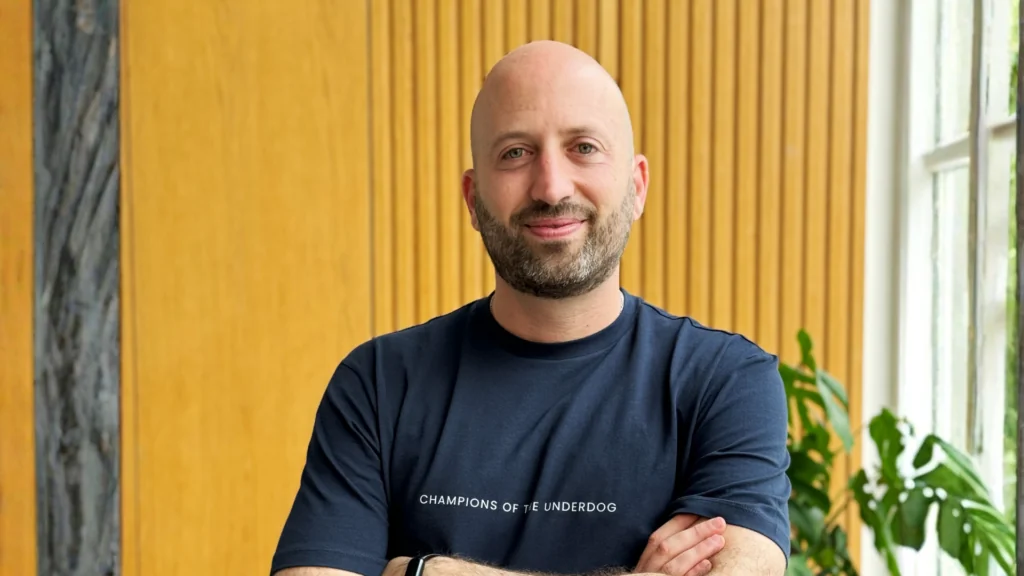
In the first edition of DFDF’s Emerging Manager Series, we sit down with Amir Farha, the founding partner of COTU Ventures, one of the region’s most distinct early-stage funds. Based in the UAE and deeply embedded across the GCC, COTU has quickly established a reputation for its founder-first approach, lightning-speed execution, and a rare willingness to challenge the status quo.
Amir reflects on what it means to build a differentiated fund in today’s complex venture environment, the importance of trust in both LP and founder relationships, and how COTU is responding to the nuances of the MENA region, not as a monolith, but as a dynamic, multi-market ecosystem. This is a window into the philosophy and pragmatism behind one of the region’s most thoughtful emerging fund managers.
I. Perspectives on Current Market Context
How would you describe the current VC market cycle?
The venture market today is best described as a phase of rebalancing, a necessary cooling off after years of overcapitalisation and unrealistic growth expectations. According to Amir, we’ve exited a period where capital was abundant, valuations were inflated, and speed often trumped quality. In its place, a more grounded, rational cycle is emerging. For founders, this means a tougher fundraising environment, but one that demands clarity, resilience, and a genuine ability to build enduring businesses.
In MENA, this shift has manifested differently. While the global downturn arrived swiftly in markets like the US, its impact across the GCC has been delayed and arguably softened by regional economic tailwinds and sovereign-backed VC momentum. Yet, Amir sees this as a moment of truth for fund managers: the external environment now demands discipline, focus, and strong fundamentals.
What’s driving the shift in institutional capital away from venture into other private markets?
A combination of liquidity needs and risk recalibration is shaping LP behaviour. Amir explains that many institutional and family office investors, particularly those newer to VC, are more accustomed to assets that offer regular distributions or shorter lock-up periods. In comparison, venture capital requires patience and long-term conviction, with returns often materialising only after 8 to 10 years. “That’s a difficult mindset shift for many LPs,” he notes, especially for those who still view venture through the lens of quarterly returns or direct exposure.
While sovereigns and larger institutions in Saudi Arabia have shown a more proactive, sophisticated approach to VC allocations, many UAE-based family offices remain early in their venture learning curve. “They’re still experimenting,” he adds. “Often, they want direct exposure before they realise the value of going through managers.”
How does this climate impact how fund managers raise capital, especially emerging managers?
For emerging fund managers, the bar has been raised. Without the benefit of long track records, Amir believes it’s no longer sufficient to pitch a compelling thesis alone. Instead, LPs are placing greater weight on authenticity, clarity of edge, and demonstrated ability to execute. “It’s a trust game,” he says. “You’re not just selling a strategy, you’re selling who you are, and whether they believe you can navigate uncertainty with consistency.” For new managers, especially in the region, that trust must often be earned one relationship at a time.
II. Fund Strategy
What motivated you to start your own fund?
COTU Ventures was born out of Amir’s desire to build a different kind of fund, one that mirrored the best parts of the startup journey. After several years in venture, Amir realised that many funds were overly rigid in their structure, slow to respond to founders, or disconnected from the realities of early-stage company building.
“I wanted to build a platform that felt agile, human, and aligned with the way great founders operate,” he says. “For me, that meant being able to move fast, build trust quickly, and support founders with real depth, not just capital.”
How has your background shaped how you invest today?
Amir’s evolution as a VC investor has given him an acute understanding of the founder mindset. He doesn’t just look at startups as investment vehicles, but as deeply personal ventures being built under intense pressure. That empathy informs how COTU engages with founders, often at their most vulnerable or uncertain stages. It’s also influenced his prioritisation of personal connection, founder character, and resilience over short-term metrics.
What lessons from past roles influence how you run COTU today?
One of the core lessons Amir carried into COTU is the importance of intentionality. From his earlier fund experience, he saw the limitations of chasing market trends or expanding too quickly. As a result, COTU is deliberately lean. It invests selectively, maintains a tight-knit team, and avoids the temptation to scale before the strategy, and values, are fully stress-tested. “We want to stay close to the work, and even closer to the people we back,” he says.
What differentiates your fund from others in the region?
Speed is a cornerstone of COTU’s identity. But it’s not speed for the sake of it, it’s about matching the urgency of the founder. Whether that means helping close a key hire in days or making an investment decision in a single meeting, Amir believes that responsiveness can be a competitive advantage. Alongside this is trust. Founders often describe their experience with COTU as unusually personal and deeply respectful. “We build high-trust relationships, not just transactional ones,” Amir adds.
How do you approach sector focus?
Rather than adopting a narrow sector lens, COTU is thematically and operationally driven. Amir and his team look for companies that align with their ability to add value, particularly in go-to-market, fundraising strategy, and early product development. This allows them to remain agile, while still maintaining coherence in how they support their portfolio.
At the same time, they do lean into large markets, such as financial services, real estate, supply chain and logistics, retail, hospitality, and F&B, because these categories are more forgiving and give startups the room to truly scale.
What stage do you invest in?
COTU focuses on the earliest institutional rounds, typically pre-seed and seed. Amir sees this as a critical stage where trust is easiest to build, impact is most meaningful, and the relationship can grow alongside the company. “We want to be there when it matters most,” he says.
More specifically, COTU aims to be the first institutional investor (the earlier in the journey, the better) so they can empower founders and help shape key decisions from day one.
III. Fund Manager “Edge”
How should fund managers think about their edge?
For Amir, edge isn’t something that can be borrowed, it must be discovered. Too many emerging managers, he observes, fall into the trap of replicating strategies that work for others. But the true edge comes from a deep understanding of one’s unique strengths, values, and perspective. “It’s a self-reflective process,” he explains. “You can’t fake it. And you can’t outsource it.”
What do you think is your edge?
Amir points to his ability to build authentic, trust-driven relationships with founders, often beginning with conversations that go far beyond the pitch. “We ask founders about their journey, their struggles, how they make decisions, not just their TAM or CAC,” he says. This approach allows COTU to spot character and clarity in a way that spreadsheets cannot. It also sets the tone for a long-term, human-first relationship from day one.
COTU is also intentionally building its team to act as an extension of the founder, especially when it comes to go-to-market, and setting up the right systems and motions to build revenue from the ground up.
How do you communicate your edge to LPs and founders?
With LPs, it’s about transparency. Amir avoids overpromising, instead focusing on clarity of strategy, consistency of execution, and honest communication, particularly around fund performance and learnings. With founders, that edge is demonstrated rather than spoken. From the speed of a first meeting to the intensity of post-investment support, COTU’s actions speak louder than any slide deck.
How do you scale that edge as your fund grows?
Rather than trying to be “always on” for every company, COTU concentrates its efforts during key inflection points, fundraises, hires, market launches. The team configures its time and resources to respond with urgency during these moments, allowing it to scale without diluting depth. Internally, Amir hires for value alignment over pedigree, ensuring that every team member contributes a complementary signal, whether in go-to-market, product, or strategy.
How do you build your team around that edge?
Amir believes values alignment is non-negotiable. “It’s not about finding people who think the same way,” he explains, “but about people who care about the same things.” Team members are selected through conversations around personal fulfillment, professional philosophy, and resilience. Over time, those shared foundations become the basis for trust, both internally and with founders.
IV. LP Relationships and Fundraising
How do you build and maintain trust with LPs?
Trust with LPs, Amir says, is built slowly but deliberately. It starts with consistency, not just in returns, but in how a fund communicates, how it handles challenges, and how it learns. “We keep our LPs close to our thinking. We don’t try to appear perfect. We show that we’re progressing,” he explains.
How do you balance LP expectations with your conviction in founders?
Amir is clear that COTU doesn’t impose artificial exit timelines or return expectations on founders. “Those conversations create unnecessary pressure. If we’ve backed the right people, the returns will come,” he says. Internally, the team shares indicative timelines with LPs but avoids turning them into mandates. The priority is always on building enduring companies, not rushing outcomes.
What’s your approach towards LP-founder alignment?
Alignment comes from shared understanding. COTU serves as the bridge between LP patience and founder ambition, translating expectations into long-term, sustainable success. Amir focuses on setting clear boundaries early, ensuring that both sides operate with mutual trust and realism.
What are the key differences between LPs across the region?
Amir sees meaningful variation across the GCC. Saudi LPs, particularly sovereign funds and sophisticated family offices, tend to be more engaged and open to longer-duration strategies. In contrast, many UAE family offices still favour real estate or dividend-generating investments, and often expect liquidity sooner. To accelerate understanding, COTU also seeks to bring in global LPs who can serve as reference points for the region.
How do sub-regional dynamics shape portfolio growth and LP relationships?
Each market has its own rhythm. In Saudi, COTU is backing a generation of young, ambitious, mission-driven founders, many under 25, who are inspired by the country’s bold transformation. In the UAE, the firm sees a more seasoned wave of operators, many relocating from global tech ecosystems. Amir tailors his approach accordingly, ensuring COTU shows up as the right partner for each context.
V. Fund Management
What’s your philosophy around DPI?
COTU takes a structured, multi-tiered approach to follow-on strategy, categorising opportunities as “Double Down,” “Pro Rata,” “Signal,” or “Save.” This allows the fund to remain disciplined while still giving breakout companies the capital they need to scale. Exit thinking is integrated into fund reviews but never rushed. “Our goal is long-term value, not short-term liquidity,” Amir says.
How do you identify which companies to double down on?
Within six to twelve months of investment, COTU generally knows whether a company is on track to become a breakout. Amir and his team look for clarity in decision-making, strong momentum, and founder growth. The best signals often come from qualitative insights, how a founder responds to pressure, iterates on feedback, or attracts talent. These signals inform which companies COTU chooses to back further.
How do you think about diversification?
Amir believes in concentration, but not at the expense of risk management. COTU’s portfolio is designed to be high-conviction, but with enough diversification to absorb shocks. The key is rigorous filtering up front, followed by close engagement post-investment.
Portfolio concentration vs. diversification?
COTU leans toward concentration, betting big on companies that show early signs of breakout potential. But it balances that with a rigorous filtering process and deep founder relationships to manage risk.
VI. Looking Ahead
How do you see COTU evolving in the next few years?
Rather than scaling for its own sake, Amir sees COTU growing with intention. That means refining its internal processes, deepening founder support, and building bridges with LPs globally. As the region matures, so too will COTU, but always around the same core: trust, clarity, and speed.
What advice would you give to the next generation of emerging managers in MENA?
“Don’t try to be someone else,” Amir says. “Your edge is in who you are, not in mimicking others.” He encourages emerging managers to invest time in self-reflection, define their unique approach, and embrace the long game. In a region where venture capital is still being written, authenticity is not just an advantage, it’s a necessity.
If you’re an emerging manager building something distinctive in MENA, we want to hear from you. At DFDF, we’re committed to spotlighting the voices shaping the region’s next chapter and backing those bold enough to write it.